




Star News
Offcanvas
Edit Template
Offcanvas
Edit Template

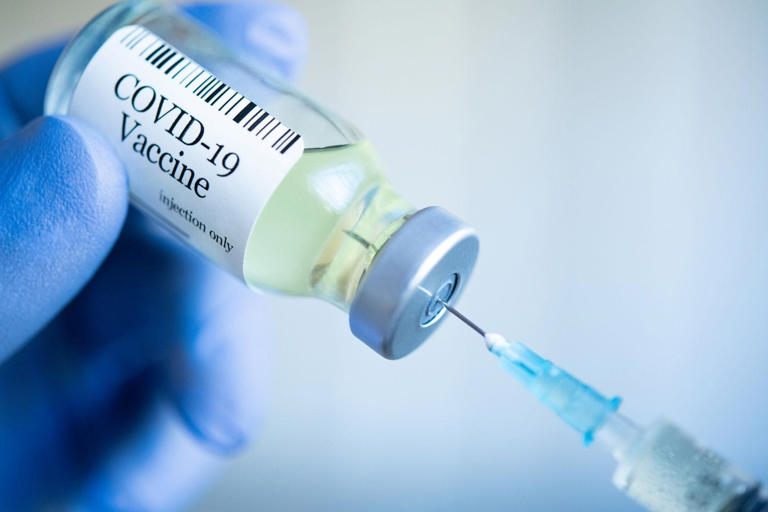
Εμβόλιο Covid: Βρήκαν τι προκάλεσε θανάτους και σοβαρές παρενέργειες

Μια νέα, πρωτοποριακή μελέτη ρίχνει φως στον μηχανισμό πίσω από ένα εξαιρετικά σπάνιο αλλά επικίνδυνο σύνδρομο που συνδέθηκε με εμβόλια κατά της COVID-19 τα οποία βασίζονταν σε αδενοϊικούς φορείς.

Το σύνδρομο, γνωστό ως θρομβοπενία και θρόμβωση που προκαλείται από συγκεκριμένα εμβόλια (VITT), προκάλεσε σε ελάχιστους εμβολιασμένους σοβαρούς θρόμβους αίματος σε συνδυασμό με χαμηλά επίπεδα αιμοπεταλίων και αιμορραγία.

Η υπόθεση ήρθε στο προσκήνιο τον Φεβρουάριο του 2021, λίγο μετά την έναρξη των εμβολιασμών στην Ευρώπη. Η αιματολόγος Sabine Eichinger από το Ιατρικό Πανεπιστήμιο της Βιέννης αντιμετώπισε ένα δραματικό περιστατικό: μια 49χρονη νοσηλεύτρια εμφάνισε ασυνήθιστους θρόμβους και ανεξέλεγκτη αιμορραγία μετά τον εμβολιασμό της με το σκεύασμα της AstraZeneca και τελικά κατέληξε. Καμία άλλη προφανής αιτία δεν εξηγούσε την κλινική εικόνα.

Η Eichinger, βαθιά προβληματισμένη, παρευρέθηκε ακόμη και στη νεκροτομή και παράλληλα, απευθύνθηκε στον αιματολόγο Andreas Greinacher από το Πανεπιστήμιο του Γκράιφσβαλντ, ειδικό σε μια σπάνια επιπλοκή της ηπαρίνης, όπου το ανοσοποιητικό σύστημα παράγει αντισώματα κατά της πρωτεΐνης PF4 (Platelet Factor 4), η οποία εμπλέκεται στην πήξη.

Μέσα σε λίγες ημέρες, το εργαστήριό του επιβεβαίωσε ότι η ασθενής έφερε αντισώματα κατά του PF4, παρόμοια με εκείνα που παρατηρούνται στην επιπλοκή της ηπαρίνης.

Σύντομα καταγράφηκαν και άλλα περιστατικά VITT σε άτομα που είχαν λάβει το εμβόλιο της AstraZeneca στην Ευρώπη και το εμβόλιο της Johnson & Johnson (J&J) στις ΗΠΑ. Και στις δύο περιπτώσεις, οι ασθενείς είχαν αντισώματα κατά του PF4.

Αν και η συχνότητα εκτιμήθηκε περίπου σε 1 περίπτωση ανά 200.000 εμβολιασμούς, αρκετές ευρωπαϊκές χώρες περιόρισαν τη χρήση του εμβολίου σε μεγαλύτερες ηλικίες ή το απέσυραν. Στις ΗΠΑ, το εμβόλιο της AstraZeneca δεν εγκρίθηκε ποτέ και το εμβόλιο της J&J τελικά εγκαταλείφθηκε.

Ο μηχανισμός του εμβολίου της Covid που προκάλεσε τις σοβαρές παρενέργειες

Έπειτα από πολυετή έρευνα, η ομάδα του Greinacher και άλλοι ερευνητές κατάφεραν να αποσαφηνίσουν τον μηχανισμό.

Τα συγκεκριμένα εμβόλια χρησιμοποιούσαν έναν αδενοϊό ως φορέα για να μεταφέρουν το γονίδιο της πρωτεΐνης-ακίδας του SARS-CoV-2 στα ανθρώπινα κύτταρα.

Σύμφωνα με μελέτη που δημοσιεύθηκε στο επιστημονικό περιοδικό New England Journal of Medicine, μια πρωτεΐνη του αδενοϊού ενεργοποιεί, σε άτομα με συγκεκριμένο γενετικό υπόβαθρο, την παραγωγή «λανθασμένων» αντισωμάτων.

Αντί να στοχεύουν ιικές πρωτεΐνες, τα αντισώματα αυτά προσδένονται στο PF4, πυροδοτώντας αλυσιδωτή αντίδραση.

Καθοριστικά στοιχεία είχαν προκύψει ήδη από το 2022, όταν ερευνητές του Πανεπιστημίου Flinders διαπίστωσαν ότι όλοι οι ασθενείς με VITT είχαν σχεδόν πανομοιότυπα αντισώματα κατά του PF4.

Παράλληλα, ο Theodore Warkentin από το Πανεπιστήμιο McMaster περιέγραψε σπάνιες περιπτώσεις όπου φυσική λοίμωξη από αδενοϊό προκάλεσε παρόμοιο σύνδρομο, με τα ίδια χαρακτηριστικά αντισώματα. Αυτό υπέδειξε ότι ο αδενοϊός έπαιζε κεντρικό ρόλο.

Με φασματομετρία μάζας, οι επιστήμονες ανέλυσαν αντισώματα από 21 ασθενείς. Όλα παρουσίαζαν μια κρίσιμη μεταβολή: στη θέση 31 της ελαφριάς αλυσίδας του αντισώματος υπήρχε αρνητικά φορτισμένο αμινοξύ (γλουταμινικό ή ασπαρτικό οξύ), ενώ κανονικά στη θέση αυτή υπάρχει λυσίνη, που φέρει θετικό φορτίο. Η αλλαγή αυτή διαπιστώθηκε μόνο στα Β λεμφοκύτταρα που παρήγαγαν τα συγκεκριμένα αντισώματα.

Επιπλέον, οι ασθενείς έφεραν γενετικές παραλλαγές που περιλάμβαναν ήδη αρνητικά φορτισμένο αμινοξύ στη θέση 50 της ίδιας αλυσίδας. Ο συνδυασμός αυτός δημιουργούσε αντισώματα με έντονο αρνητικό φορτίο, τα οποία συνδέονταν ισχυρά με το θετικά φορτισμένο PF4.

Το σύμπλοκο αντισωμάτων–PF4 ενεργοποιεί τα αιμοπετάλια, οδηγώντας σε μαζική απελευθέρωση περισσότερου PF4 και ενίσχυση της διαδικασίας πήξης. Έτσι σχηματίζονται επικίνδυνοι θρόμβοι, ενώ ταυτόχρονα εξαντλούνται τα αιμοπετάλια, προκαλώντας αιμορραγία.

Η αιτιολογική σχέση σχέση επιβεβαιώθηκε σε πειραματικά μοντέλα: εργαστηριακά παραγόμενα αντισώματα από ασθενείς προκάλεσαν συμπτώματα VITT σε ποντίκια. Όταν οι ερευνητές αντικατέστησαν το αρνητικά φορτισμένο αμινοξύ στη θέση 31 με λυσίνη, η σύνδεση με το PF4 αποδυναμώθηκε σημαντικά και οι θρόμβοι μειώθηκαν.

Εντοπίστηκε επίσης ο μηχανισμός εκκίνησης της ανοσολογικής απόκρισης. Τα αντισώματα VITT προσδένονταν σε πρωτεΐνη του αδενοϊού, την pVII. Συγκεκριμένα, αναγνωρίζουν ένα τμήμα 15 αμινοξέων που σχηματίζει δομή άλφα-έλικας, παρόμοια με δομή του PF4. Η ομοιότητα αυτή φαίνεται να οδηγεί σε διασταυρούμενη αντίδραση.

Οι ερευνητές εκτιμούν ότι άτομα που ανέπτυξαν VITT είχαν προηγουμένως εκτεθεί σε αδενοϊό, με αποτέλεσμα τα Β κύτταρά τους να είναι «προγραμματισμένα» να αναγνωρίζουν την pVII.

Ο εμβολιασμός ενεργοποίησε αυτά τα κύτταρα και, μέσω διαδικασίας μεταλλάξεων που βελτιώνει την απόκριση των αντισωμάτων, προέκυψε σε ελάχιστες περιπτώσεις μια «άτυχη» παραλλαγή που στράφηκε κατά του PF4.

Στην Ευρώπη έχουν αναφερθεί περίπου 900 περιστατικά VITT μετά από εμβολιασμό με AstraZeneca ή J&J, εκ των οποίων περίπου 200 ήταν θανατηφόρα.

Παγκοσμίως χορηγήθηκαν περισσότερες από 3 δισεκατομμύρια δόσεις του εμβολίου της AstraZeneca, οι οποίες εκτιμάται ότι έσωσαν εκατομμύρια ζωές.

Δύο περιστατικά καταγράφηκαν στην Αργεντινή μετά από εμβολιασμό με το Sputnik V, επίσης αδενοϊικό εμβόλιο, ενώ δεν έχουν συνδεθεί περιστατικά με το αντίστοιχο εμβόλιο της CanSino.

Η γενετική προδιάθεση φαίνεται να παίζει ρόλο: σε πολλές περιοχές του κόσμου, 40%–60% του πληθυσμού φέρει σχετικές γενετικές παραλλαγές, ενώ στην Ανατολική Ασία το ποσοστό είναι χαμηλότερο.

Τα ευρήματα έχουν σημασία και για άλλα εμβόλια με αδενοϊικούς φορείς, όπως ένα από τα εγκεκριμένα εμβόλια κατά του Έμπολα, καθώς και υποψήφια εμβόλια για γρίπη, ελονοσία, φυματίωση και αναδυόμενους ιούς όπως ο Nipah. Οι αδενοϊικοί φορείς είναι οικονομικοί και δεν απαιτούν πολύ χαμηλές θερμοκρασίες αποθήκευσης.

Αν και η πρωτεΐνη pVII δεν μπορεί εύκολα να αφαιρεθεί, ενδέχεται να σχεδιαστούν τροποποιημένες εκδοχές που δεν θα μιμούνται τόσο στενά το PF4, ανοίγοντας τον δρόμο για ασφαλέστερα εμβόλια στο μέλλον.

Εμβόλιο Covid: Βρήκαν τι προκάλεσε θανάτους και σοβαρές παρενέργειες

© 2024 Created by Elephant Media Cy

We use cookies to personalise content and ads, to provide social media features and to analyse our traffic. We also share information about your use of our site with our social media, advertising and analytics partners.

Cookies settings
Accept
Decline
Privacy & Cookie policy
Privacy & Cookies policy
Cookie name Active

Privacy Policy

What information do we collect?

We collect information from you when you register on our site or place an order. When ordering or registering on our site, as appropriate, you may be asked to enter your: name, e-mail address or mailing address.

What do we use your information for?

Any of the information we collect from you may be used in one of the following ways: To personalize your experience (your information helps us to better respond to your individual needs) To improve our website (we continually strive to improve our website offerings based on the information and feedback we receive from you) To improve customer service (your information helps us to more effectively respond to your customer service requests and support needs) To process transactions Your information, whether public or private, will not be sold, exchanged, transferred, or given to any other company for any reason whatsoever, without your consent, other than for the express purpose of delivering the purchased product or service requested. To administer a contest, promotion, survey or other site feature To send periodic emails The email address you provide for order processing, will only be used to send you information and updates pertaining to your order.

How do we protect your information?

We implement a variety of security measures to maintain the safety of your personal information when you place an order or enter, submit, or access your personal information. We offer the use of a secure server. All supplied sensitive/credit information is transmitted via Secure Socket Layer (SSL) technology and then encrypted into our Payment gateway providers database only to be accessible by those authorized with special access rights to such systems, and are required to?keep the information confidential. After a transaction, your private information (credit cards, social security numbers, financials, etc.) will not be kept on file for more than 60 days.

Do we use cookies?

Yes (Cookies are small files that a site or its service provider transfers to your computers hard drive through your Web browser (if you allow) that enables the sites or service providers systems to recognize your browser and capture and remember certain information We use cookies to help us remember and process the items in your shopping cart, understand and save your preferences for future visits, keep track of advertisements and compile aggregate data about site traffic and site interaction so that we can offer better site experiences and tools in the future. We may contract with third-party service providers to assist us in better understanding our site visitors. These service providers are not permitted to use the information collected on our behalf except to help us conduct and improve our business. If you prefer, you can choose to have your computer warn you each time a cookie is being sent, or you can choose to turn off all cookies via your browser settings. Like most websites, if you turn your cookies off, some of our services may not function properly. However, you can still place orders by contacting customer service. Google Analytics We use Google Analytics on our sites for anonymous reporting of site usage and for advertising on the site. If you would like to opt-out of Google Analytics monitoring your behaviour on our sites please use this link (https://tools.google.com/dlpage/gaoptout/)

Do we disclose any information to outside parties?

We do not sell, trade, or otherwise transfer to outside parties your personally identifiable information. This does not include trusted third parties who assist us in operating our website, conducting our business, or servicing you, so long as those parties agree to keep this information confidential. We may also release your information when we believe release is appropriate to comply with the law, enforce our site policies, or protect ours or others rights, property, or safety. However, non-personally identifiable visitor information may be provided to other parties for marketing, advertising, or other uses.

Registration

The minimum information we need to register you is your name, email address and a password. We will ask you more questions for different services, including sales promotions. Unless we say otherwise, you have to answer all the registration questions. We may also ask some other, voluntary questions during registration for certain services (for example, professional networks) so we can gain a clearer understanding of who you are. This also allows us to personalise services for you. To assist us in our marketing, in addition to the data that you provide to us if you register, we may also obtain data from trusted third parties to help us understand what you might be interested in. This ‘profiling’ information is produced from a variety of sources, including publicly available data (such as the electoral roll) or from sources such as surveys and polls where you have given your permission for your data to be shared. You can choose not to have such data shared with the Guardian from these sources by logging into your account and changing the settings in the privacy section. After you have registered, and with your permission, we may send you emails we think may interest you. Newsletters may be personalised based on what you have been reading on theguardian.com. At any time you can decide not to receive these emails and will be able to ‘unsubscribe’. Logging in using social networking credentials If you log-in to our sites using a Facebook log-in, you are granting permission to Facebook to share your user details with us. This will include your name, email address, date of birth and location which will then be used to form a Guardian identity. You can also use your picture from Facebook as part of your profile. This will also allow us and Facebook to share your, networks, user ID and any other information you choose to share according to your Facebook account settings. If you remove the Guardian app from your Facebook settings, we will no longer have access to this information. If you log-in to our sites using a Google log-in, you grant permission to Google to share your user details with us. This will include your name, email address, date of birth, sex and location which we will then use to form a Guardian identity. You may use your picture from Google as part of your profile. This also allows us to share your networks, user ID and any other information you choose to share according to your Google account settings. If you remove the Guardian from your Google settings, we will no longer have access to this information. If you log-in to our sites using a twitter log-in, we receive your avatar (the small picture that appears next to your tweets) and twitter username.

Children’s Online Privacy Protection Act Compliance

We are in compliance with the requirements of COPPA (Childrens Online Privacy Protection Act), we do not collect any information from anyone under 13 years of age. Our website, products and services are all directed to people who are at least 13 years old or older.

Updating your personal information

We offer a ‘My details’ page (also known as Dashboard), where you can update your personal information at any time, and change your marketing preferences. You can get to this page from most pages on the site – simply click on the ‘My details’ link at the top of the screen when you are signed in.

Online Privacy Policy Only

This online privacy policy applies only to information collected through our website and not to information collected offline.

Your Consent

By using our site, you consent to our privacy policy.

Changes to our Privacy Policy

If we decide to change our privacy policy, we will post those changes on this page.
Save settings
Cookies settings