






Star News
Offcanvas
Edit Template
Offcanvas
Edit Template

Το αγόρι που έζησε όλη του τη ζωή μέσα σε μια φούσκα -Μια συγκλονιστική ιστορία

Ακολουθήστε μας στα social media

[DISPLAY_ULTIMATE_SOCIAL_ICONS]


«Δεν μπόρεσε να αγγίξει τον κόσμο, ο κόσμος όμως ένιωσε το άγγιγμα του»: Αυτή θα μπορούσε να είναι στα ελληνικά η απόδοση της επιγραφής που επέλεξαν οι γονείς του Ντέιβιντ Βέττερ για την τελευταία του κατοικία.

Και είναι πέρα για πέρα αληθινή. Το αγόρι που πέθανε σε ηλικία 12 ετών έζησε όλη του τη ζωή μέσα σε μια πλαστική φούσκα, καθώς οποιαδήποτε επαφή του με ένα μικρόβιο θα μπορούσε να αποβεί μοιραία.

Ο Ντέιβιντ γεννήθηκε το 1971 στο Χιούστον του Τέξας. Έπασχε από Σοβαρή Συνδυασμένη Ανοσοανεπάρκεια (SCID) και η ασθένεια του δεν προκάλεσε έκπληξη στους γιατρούς. Οι γονείς του Ντέιβιντ είχαν ήδη χάσει ένα παιδί, σε ηλικία μόλις 7 μηνών, ακριβώς από την ίδια πάθηση –και τα δυο αγόρια της οικογένειας έπασχαν από την πιο κοινή παραλλαγή της νόσου SCID, η οποία χαρακτηριζόταν από ένα θανατηφόρο ελάττωμα στο χρωμόσωμα Χ και, αν και τα κορίτσια μπορούν να είναι φορείς, ταλαιπωρούσε μόνο τα αγόρια. Οι πιθανότητες που έδιναν οι γιατροί για να γεννηθεί και ο 2ος γιος της οικογένειας χωρίς ανοσοποιητικό σύστημα ήταν περίπου 50%. Οι γονείς του Ντέιβιντ, που ήδη είχαν μια κόρη, πήραν την απόφαση να το ρισκάρουν. Γνώριζαν πως οι μεταμοσχεύεις του μυελού των οστών ήταν ένα πεδίο που εκείνη την περίοδο βρισκόταν σε ταχύτατη ανάπτυξη και ήλπιζαν πως με αυτήν τη μέθοδο θα μπορούσε να αποκατασταθεί η βλάβη στο ανοσοποιητικό σύστημα του γιου τους. Η κόρη τους, Κάθριν, θα ήταν η ιδανική δότρια.

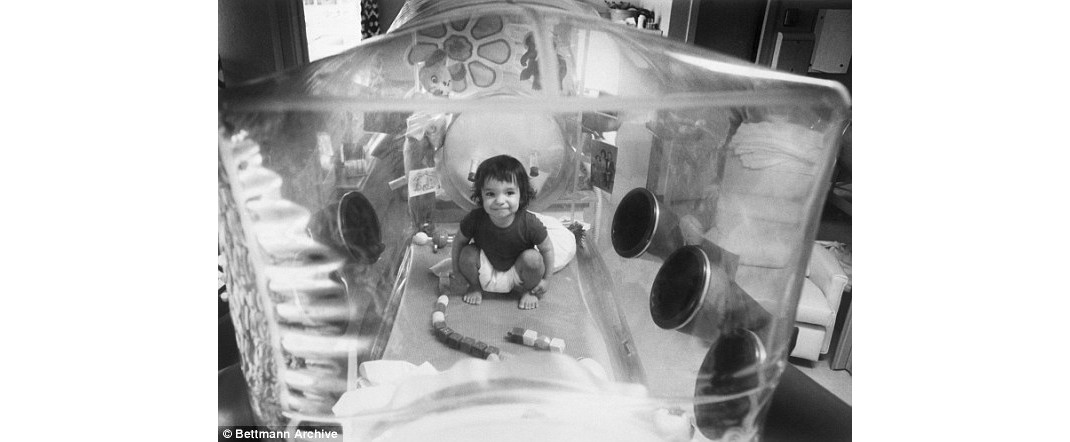
Δευτερόλεπτα αφότου ο Ντέιβιντ ανέπνευσε για πρώτη φορά, τον έβαλαν μέσα σε μια αποστειρωμένη πλαστική φούσκα. Η ελπίδα ήταν πως το βρέφος θα έμενε στη φούσκα μέχρι να γίνει η μεταμόσχευση. Το αίμα της Κάθριν όμως αποδείχθηκε ότι δεν ήταν πλήρως συμβατό. Ο Ντέιβιντ μεγάλωνε και μεγάλωνε, η ζωή του στη φούσκα ήταν πλέον μόνιμη, και οι γιατροί δεν μπορούσαν να βρουν την κατάλληλη για αυτόν θεραπεία. Και ενώ είχαν υπάρξει και άλλα μωρά που είχαν μπει σε φούσκα, κανένα δεν έμεινε για τόσο καιρό όσο Ντέιβιντ.
Το αγόρι που έζησε όλη του τη ζωή μέσα σε μια φούσκα
Φωτογραφία: Bettmann Archive

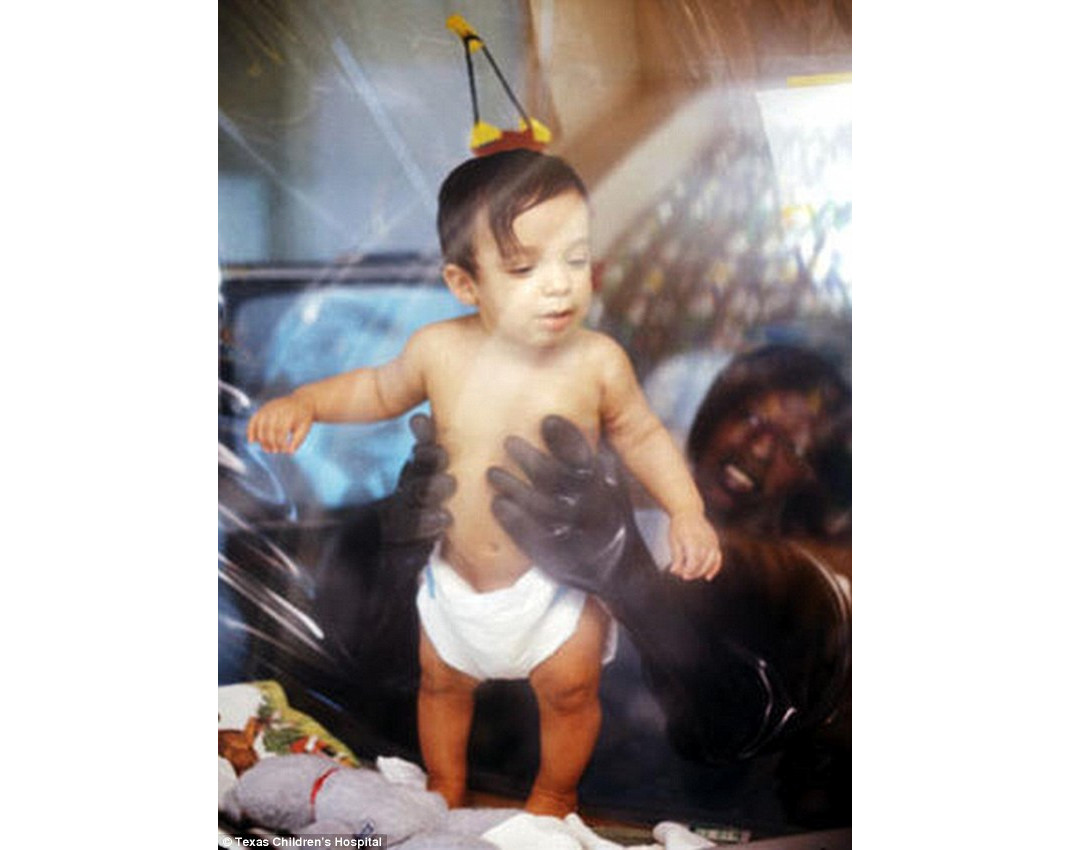
Γιατροί, νοσοκόμες και συγγενείς μπορούσαν να επικοινωνήσουν μαζί του μόνο μέσω ενός ζεύγους πλαστικών γαντιών που ήταν στερεωμένα στους τοίχους του θαλάμου του. Οτιδήποτε λάμβανε – φαγητό, νερό, πάνες, ρούχα, βιβλία, μια μικρή τηλεόραση – έπρεπε να αποστειρωθεί και να μπει μέσα από αεραγωγούς.

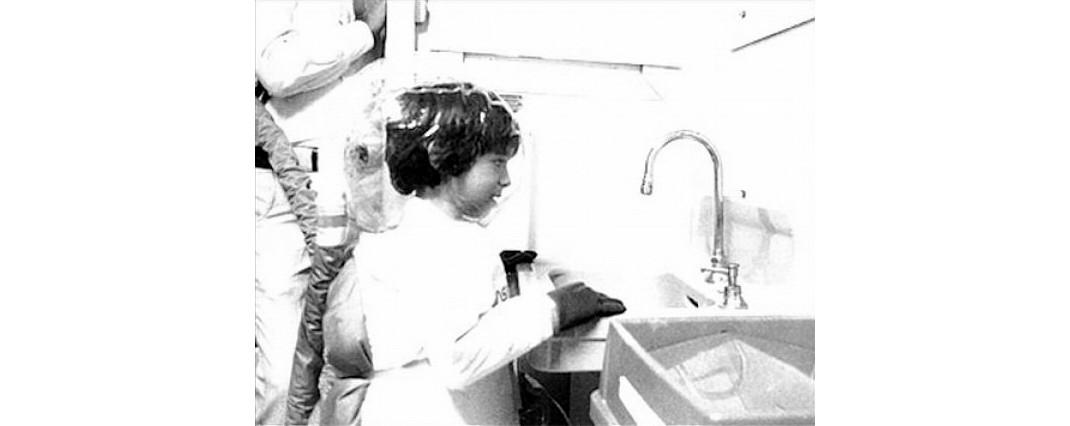
Όταν ο Ντέιβιντ ήταν 3 ετών, ένας παρόμοιος θάλαμος εγκαταστάθηκε στο σπίτι των γονιών του καθιστώντας δυνατή τη ζωή του μεταξύ σπιτιού και νοσοκομείου. Όταν ήταν 6 ετών, η NASA του κατασκεύασε μια ειδική διαστημική στολή που του επέτρεπε να βγει από τον θάλαμο και να περπατήσει, αν και ήταν πάντα συνδεδεμένος με τη φούσκα μέσω ενός μακρύ σωλήνα. Χρησιμοποίησε τη στολή περίπου επτά φορές και μετά έχασε το ενδιαφέρον του.
Το αγόρι που έζησε όλη του τη ζωή μέσα σε μια φούσκα
Φωτογραφία: Texas Children’s Hospital

Η ζωή του πολλές φορές αποτελούσε θέμα των τηλεοπτικών εκπομπών –κατά μία έννοια υπήρξε ο πρωταγωνιστής μιας μίνι εκδοχής του «The Truman Show». Όμως με την πάροδο του χρόνου, η ζωή του ήταν γεμάτη από ηθικά διλήμματα. Για παράδειγμα, τι θα γινόταν αν ένας ενήλικας –ή ακόμα και έφηβος- Ντέιβιντ κάποια στιγμή απαιτούσε την έξοδό του από την φούσκα ανεξάρτητα από το αν κινδύνευε η ζωή του; Ένας ψυχολόγος που δούλεψε μαζί του έχει αφηγηθεί πώς το αγόρι, πάντα χαρούμενο στις τηλεοπτικές του εμφανίσεις, πολλές φορές εκτός κάμερας έδειχνε οργισμένο για τον τρόπο που ζούσε.
Το αγόρι που έζησε όλη του τη ζωή μέσα σε μια φούσκα
Φωτογραφία: Wikipedia

Τον Οκτώβριο του 1983, οι γιατροί του Ντέιβιντ δοκίμασαν μια νέα τεχνική μυελού των οστών, που δεν απαιτούσε πλήρη συμβατότητα αίματος. Όπως είχε αρχικά προγραμματιστεί, η αδερφή του ήταν η δότρια. Στην αρχή, η διαδικασία φαινόταν να λειτουργεί. Αλλά στο αίμα της Κάθριν υπήρχε ένας αδρανής και μη ανιχνευμένος ιός, ο Epstein-Barr. Ο Ντέιβιντ αρρώστησε και σύντομα φανερώθηκε η αιτία: η μεταμόσχευση (για την ακρίβεια ο ιός Epstein-Barr) είχε προκαλέσει πολλαπλά καρκινώματα στο σώμα του. Το αγόρι βγήκε από τη φούσκα και νοσηλεύτηκε σε ένα αποστειρωμένο δωμάτιο νοσοκομείου. Για πρώτη φορά στη ζωή του, μπόρεσε να χαρεί την ανθρώπινη επαφή και το φιλί της μητέρας. Αλλά το τέλος ήταν κοντά. Στις 22 Φεβρουαρίου 1984, δύο εβδομάδες αφότου άφησε τη φούσκα ο Ντέιβιντ πέθανε. Ο γιατρός του, ο Δρ. Σίρερ, που είχε πραγματοποιήσει τη μεταμόσχευση, ανακοίνωσε τον θάνατο του αγοριού μπροστά σε τηλεοπτικές κάμερες και μικρόφωνα δημοσιογράφων. Αργότερα χαρακτήρισε αυτή τη στιγμή ως μια από τις πιο δύσκολες της ζωής του.
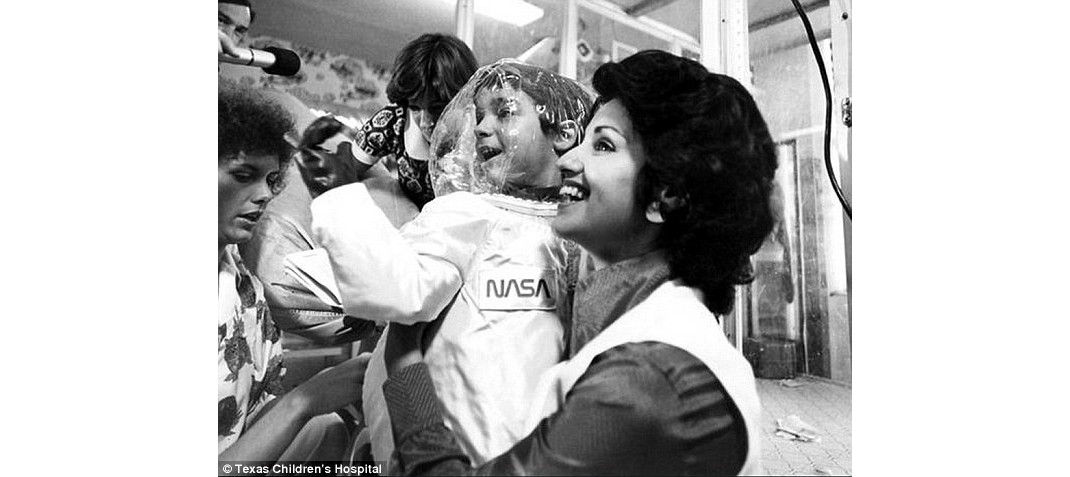
Το αγόρι που έζησε όλη του τη ζωή μέσα σε μια φούσκα
Φωτογραφία: Texas Children’s Hospital

Ο Ντέιβιντ ήταν ο τελευταίος ασθενής που τοποθετήθηκε σε μια τόσο περιορισμένη φούσκα. Έκτοτε, η ιατρική επιστήμη έχει προχωρήσει και πλέον μια μεταμόσχευση μυελού των οστών είναι συνήθως επιτυχής στη θεραπεία του SCID όταν γίνεται μέσα στους πρώτους τρεις μήνες του μωρού, ενώ έχει εξελιχθεί και η γονιδιακή θεραπεία. Επίσης, η πρώιμη ανίχνευση του SCID έχει βελτιωθεί σημαντικά. Για την επιστήμη όμως η ιστορία του Ντέιβιντ άφησε και μια ακόμα παρακαταθήκη που περιλάμβανε μια νέα κατανόηση του ρόλου που μπορούν να παίξουν οι ιοί στην πρόκληση καρκίνου. Όπως όμως είχε δηλώσει και ο γιατρός του, Δρ Σίρερ «Αυτό που μας έδωσε ο Ντέιβιντ ήταν ένα ισχυρό μάθημα σε πολλούς τομείς της ιατρικής — αλλά και στην ίδια τη ζωή».
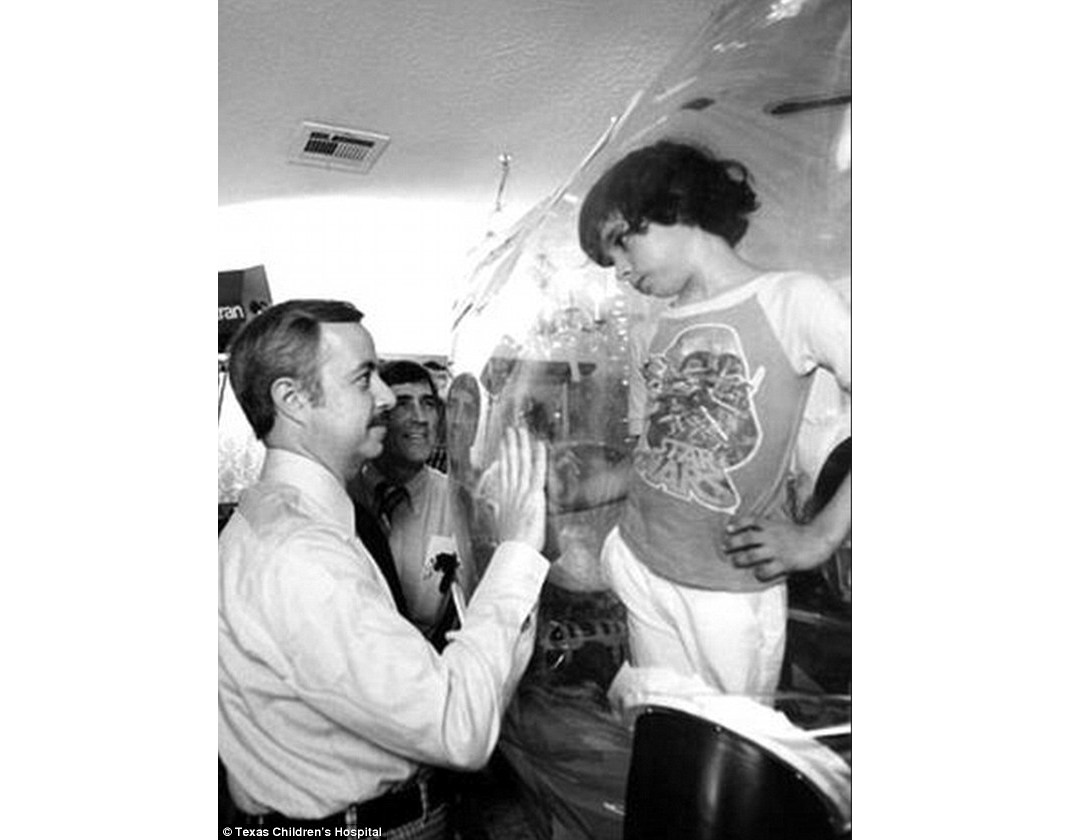
Το αγόρι που έζησε όλη του τη ζωή μέσα σε μια φούσκα
Φωτογραφία: Texas Children’s Hospital

Πηγή: bovary.gr

© 2024 Created by Elephant Media Cy

We use cookies to personalise content and ads, to provide social media features and to analyse our traffic. We also share information about your use of our site with our social media, advertising and analytics partners.

Cookies settings
Accept
Decline
Privacy & Cookie policy
Privacy & Cookies policy
Cookie name Active

Privacy Policy

What information do we collect?

We collect information from you when you register on our site or place an order. When ordering or registering on our site, as appropriate, you may be asked to enter your: name, e-mail address or mailing address.

What do we use your information for?

Any of the information we collect from you may be used in one of the following ways: To personalize your experience (your information helps us to better respond to your individual needs) To improve our website (we continually strive to improve our website offerings based on the information and feedback we receive from you) To improve customer service (your information helps us to more effectively respond to your customer service requests and support needs) To process transactions Your information, whether public or private, will not be sold, exchanged, transferred, or given to any other company for any reason whatsoever, without your consent, other than for the express purpose of delivering the purchased product or service requested. To administer a contest, promotion, survey or other site feature To send periodic emails The email address you provide for order processing, will only be used to send you information and updates pertaining to your order.

How do we protect your information?

We implement a variety of security measures to maintain the safety of your personal information when you place an order or enter, submit, or access your personal information. We offer the use of a secure server. All supplied sensitive/credit information is transmitted via Secure Socket Layer (SSL) technology and then encrypted into our Payment gateway providers database only to be accessible by those authorized with special access rights to such systems, and are required to?keep the information confidential. After a transaction, your private information (credit cards, social security numbers, financials, etc.) will not be kept on file for more than 60 days.

Do we use cookies?

Yes (Cookies are small files that a site or its service provider transfers to your computers hard drive through your Web browser (if you allow) that enables the sites or service providers systems to recognize your browser and capture and remember certain information We use cookies to help us remember and process the items in your shopping cart, understand and save your preferences for future visits, keep track of advertisements and compile aggregate data about site traffic and site interaction so that we can offer better site experiences and tools in the future. We may contract with third-party service providers to assist us in better understanding our site visitors. These service providers are not permitted to use the information collected on our behalf except to help us conduct and improve our business. If you prefer, you can choose to have your computer warn you each time a cookie is being sent, or you can choose to turn off all cookies via your browser settings. Like most websites, if you turn your cookies off, some of our services may not function properly. However, you can still place orders by contacting customer service. Google Analytics We use Google Analytics on our sites for anonymous reporting of site usage and for advertising on the site. If you would like to opt-out of Google Analytics monitoring your behaviour on our sites please use this link (https://tools.google.com/dlpage/gaoptout/)

Do we disclose any information to outside parties?

We do not sell, trade, or otherwise transfer to outside parties your personally identifiable information. This does not include trusted third parties who assist us in operating our website, conducting our business, or servicing you, so long as those parties agree to keep this information confidential. We may also release your information when we believe release is appropriate to comply with the law, enforce our site policies, or protect ours or others rights, property, or safety. However, non-personally identifiable visitor information may be provided to other parties for marketing, advertising, or other uses.

Registration

The minimum information we need to register you is your name, email address and a password. We will ask you more questions for different services, including sales promotions. Unless we say otherwise, you have to answer all the registration questions. We may also ask some other, voluntary questions during registration for certain services (for example, professional networks) so we can gain a clearer understanding of who you are. This also allows us to personalise services for you. To assist us in our marketing, in addition to the data that you provide to us if you register, we may also obtain data from trusted third parties to help us understand what you might be interested in. This ‘profiling’ information is produced from a variety of sources, including publicly available data (such as the electoral roll) or from sources such as surveys and polls where you have given your permission for your data to be shared. You can choose not to have such data shared with the Guardian from these sources by logging into your account and changing the settings in the privacy section. After you have registered, and with your permission, we may send you emails we think may interest you. Newsletters may be personalised based on what you have been reading on theguardian.com. At any time you can decide not to receive these emails and will be able to ‘unsubscribe’. Logging in using social networking credentials If you log-in to our sites using a Facebook log-in, you are granting permission to Facebook to share your user details with us. This will include your name, email address, date of birth and location which will then be used to form a Guardian identity. You can also use your picture from Facebook as part of your profile. This will also allow us and Facebook to share your, networks, user ID and any other information you choose to share according to your Facebook account settings. If you remove the Guardian app from your Facebook settings, we will no longer have access to this information. If you log-in to our sites using a Google log-in, you grant permission to Google to share your user details with us. This will include your name, email address, date of birth, sex and location which we will then use to form a Guardian identity. You may use your picture from Google as part of your profile. This also allows us to share your networks, user ID and any other information you choose to share according to your Google account settings. If you remove the Guardian from your Google settings, we will no longer have access to this information. If you log-in to our sites using a twitter log-in, we receive your avatar (the small picture that appears next to your tweets) and twitter username.

Children’s Online Privacy Protection Act Compliance

We are in compliance with the requirements of COPPA (Childrens Online Privacy Protection Act), we do not collect any information from anyone under 13 years of age. Our website, products and services are all directed to people who are at least 13 years old or older.

Updating your personal information

We offer a ‘My details’ page (also known as Dashboard), where you can update your personal information at any time, and change your marketing preferences. You can get to this page from most pages on the site – simply click on the ‘My details’ link at the top of the screen when you are signed in.

Online Privacy Policy Only

This online privacy policy applies only to information collected through our website and not to information collected offline.

Your Consent

By using our site, you consent to our privacy policy.

Changes to our Privacy Policy

If we decide to change our privacy policy, we will post those changes on this page.
Save settings
Cookies settings